Beginner's Guide to Choosing Island Art for Small Spaces
Island art has a natural advantage in a small room: it suggests air, water, and distance. A coastline print above a desk or a small painting of a fishing boat in a hallway can make a compact apartment feel less boxed in. The trouble starts when the piece is the wrong size, the palette fights the room, or the subject adds visual noise instead of calm. This guide is for the first-time buyer who wants a considered result without turning the wall into a project.
Measure the Wall Before the Art
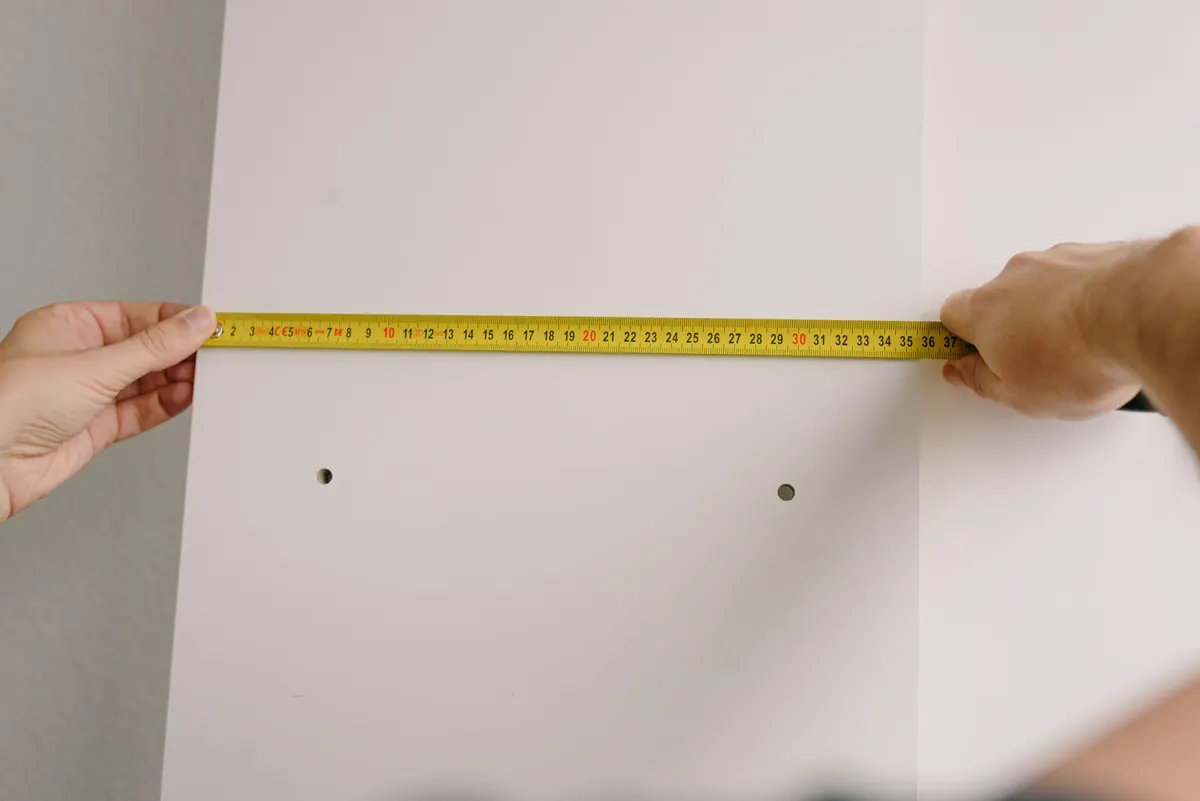
Start with the wall, not the artwork. In a studio or small apartment, every surface is doing several jobs: holding a sofa, a desk, a door, a radiator, a light switch. Take a tape measure and note the clear width between the door frame and the nearest corner, the height from the floor to the ceiling, and the width of the furniture below. A low dresser that is 100 cm wide gives you a different canvas from a narrow console that is 60 cm wide.
Then think about viewing distance. In a hallway, you may stand a metre away; in a living room, two metres or more. Small, detailed pieces can work beautifully in a hallway because they invite a close look. Above a sofa, a small piece can look lost unless it is part of a group. Before you buy, cut a paper template or use painter’s tape to mark the proposed size on the wall. Leave it there for a day. The outline will tell you quickly whether the piece feels mean or overwhelming, and whether it crowds the door swing or the light switch.
Scale: One Strong Piece or a Careful Group?
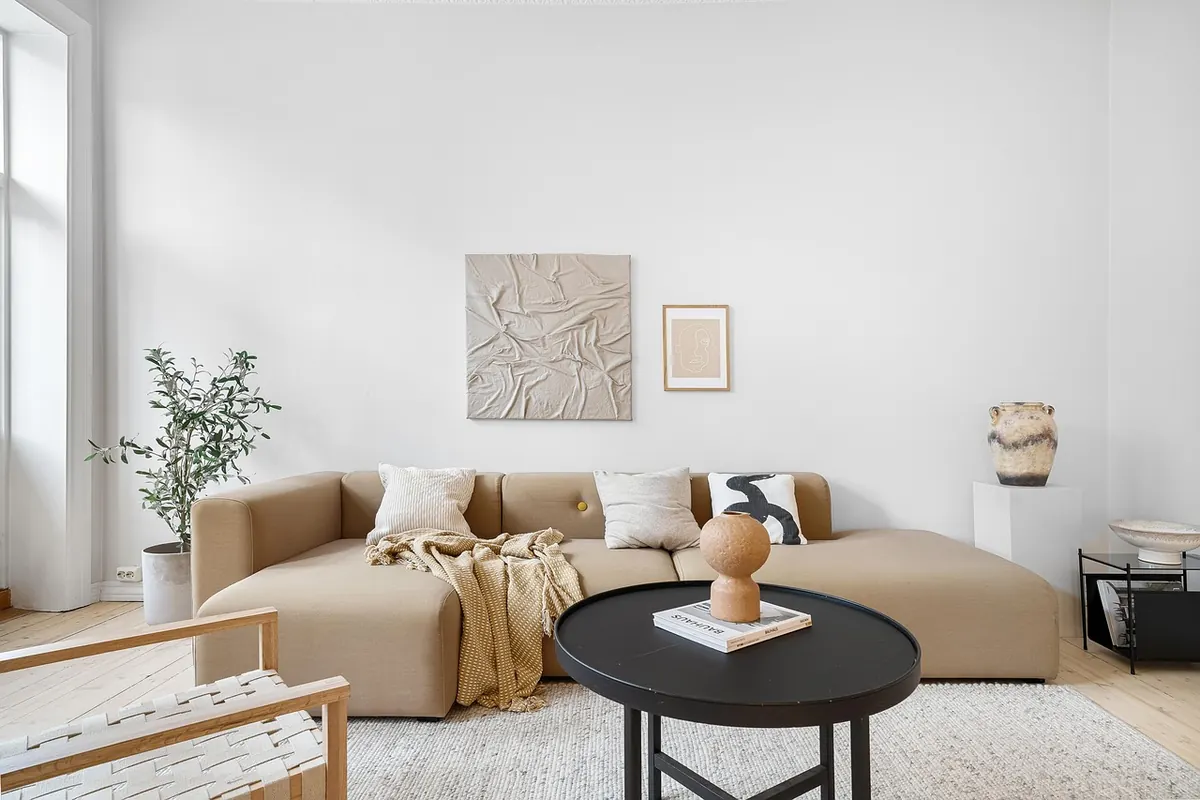
In small rooms, one medium-to-large artwork often works harder than a cluster of small frames. A single 50 x 70 cm print over a low chest can give a studio a focal point without adding clutter. A 30 x 40 cm piece on a broad, empty wall usually looks tentative. That said, small art has its place: a narrow slice of wall beside a wardrobe, a low ceiling above a bed, a tiny entry where a large piece would feel aggressive.
As a starting point, aim for art that covers roughly half to three-quarters of the furniture width below it. Centre the piece at about eye level, which is usually around 145–155 cm from the floor, then adjust for very high ceilings or low furniture. Leave at least 15–20 cm between the frame and a door frame, corner, or ceiling if the room is tight. Breathing space matters more than a perfect formula.
A simple tape test for scale
Mark the outer dimensions of the frame, not just the image. Add the mat and frame width before you decide. If you are considering a group, tape the whole arrangement rather than each frame separately. In a hallway, try a vertical pair instead of a row of three; it uses height without forcing you to squeeze pieces around doorways.
Color: Borrow the Island Palette
Island art brings a ready-made palette: limestone white, sand, olive green, deep sea blue, faded terracotta, and the bleached colours of driftwood. In a compact room, light and mid-tone pieces tend to keep the walls feeling open. A very dark painting can still work, but treat it as a deliberate anchor rather than a default. If your room is already busy with patterned cushions, a rug, and books, choose a quieter artwork with a simple shape or a narrow colour range. If the room is neutral, the art can carry the colour.
Look for one or two colours in the artwork that already appear elsewhere in the room: a blue ceramic bowl, an olive throw, a sandy cushion. That repetition makes the piece feel chosen rather than dropped in. The frame matters too. Pale wood or white frames keep a small space airy; black frames add graphic weight; natural oak sits comfortably with both warm and cool island palettes. A wide mat can make a modest print feel more substantial, but in a very narrow hallway it may eat the wall space you need.
Subject Matter: A View That Opens the Room
Island art covers a lot of ground: coastlines, harbour scenes, aerial maps, botanical studies, abstract sea-and-stone compositions, and quiet interiors with open shutters. In a small room, a strong horizon line is useful because it draws the eye outward. A landscape-format coastline above a sofa can make the wall feel wider. A portrait-format view of a narrow island street or a tall palm can add height to a boxy studio. Square pieces are flexible and forgiving in awkward spots.
Think about how much detail you want to live with. A busy harbour scene with twenty small boats can be wonderful in a hallway where you pass close by, but it may feel restless above a desk where you need calm. An aerial map or a simplified abstract can add depth without demanding attention. Keep a thread through the room: the same coastline, a similar palette, or two pieces by the same artist. Three unrelated island scenes in one sightline can make a small space feel scattered.
Hallways, Studios, and Awkward Corners
Hallways are often the first place people try island art, and for good reason. The subject suits the sense of arrival. Use vertical pieces or a pair to work with narrow walls, and keep the centre of the artwork at eye level. If the corridor is dark, choose a lighter image and consider a slim picture light; a battery-operated option avoids new wiring in a rental. Avoid hanging art where a bag or coat will brush it.
In a studio, divide the room into zones rather than covering every wall. One piece above the bed can be restful; another above the desk can be more graphic or detailed. A leaning frame on a shelf is a low-commitment option for renters and lets you move the piece when the furniture changes. In a compact apartment, the entry and dining nook are good places for a single strong image. Resist the urge to fill every gap. Empty wall is part of the composition.
A Five-Minute Check Before You Hang
Before you commit to a nail, compare two or three options at the intended size using paper templates. Check the frame against the wall colour in daylight and in the evening. Make sure the artwork does not sit directly above a radiator or in strong, direct sun, which can fade prints over time. Use two hooks for larger frames, a level, and the correct fixings for your wall type; if you are unsure about a rental wall or a heavy piece, ask someone with the right tools. Then step back into the doorway and look at the room as a whole. The right island piece should feel like a window that belongs there, not an extra object competing for space.
Photo: 23555986 / Pixabay